
 EN
EN  PL
PL  ZH
ZH  RO
RO  DE
DE  CZ
CZ 

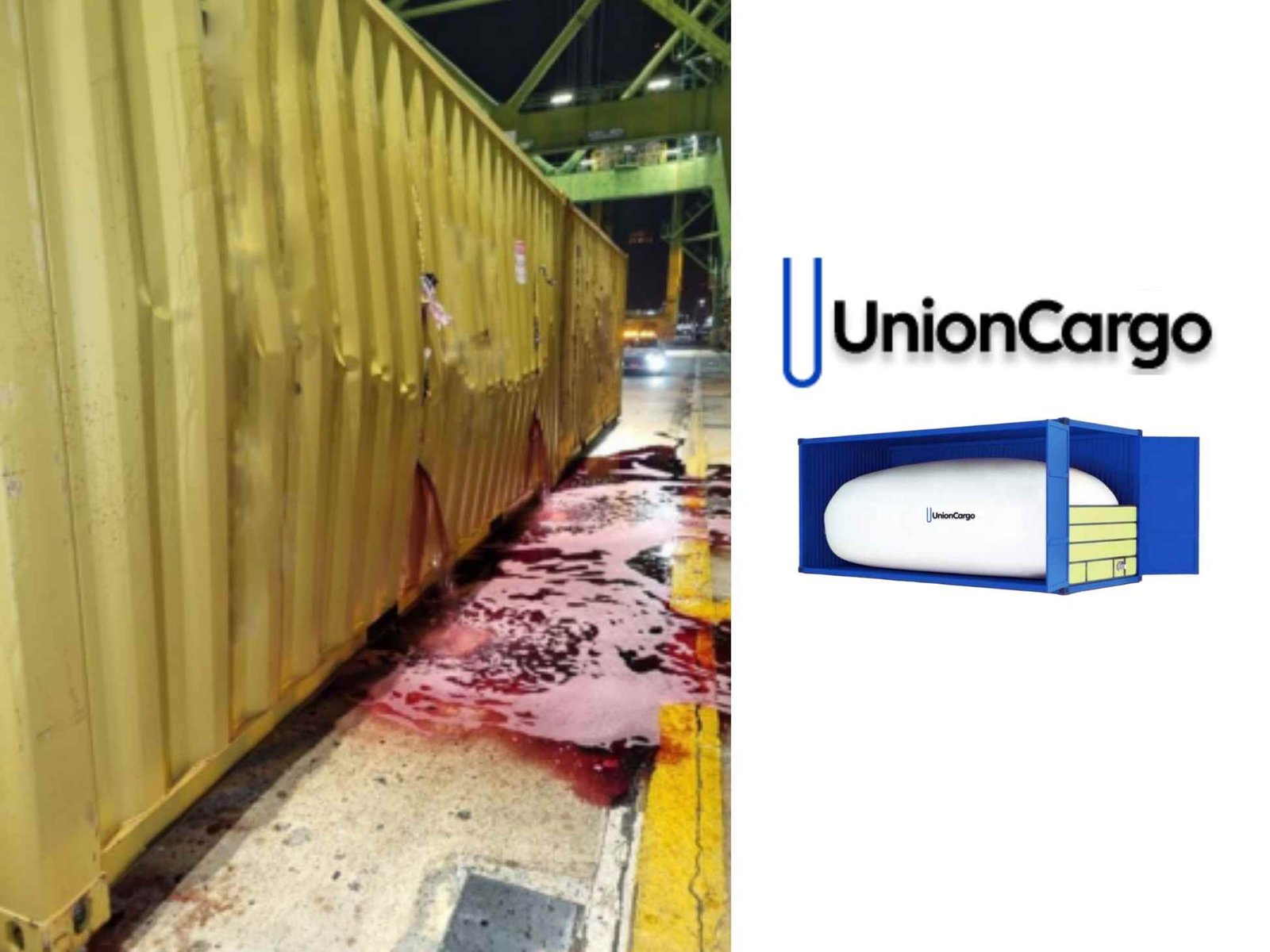
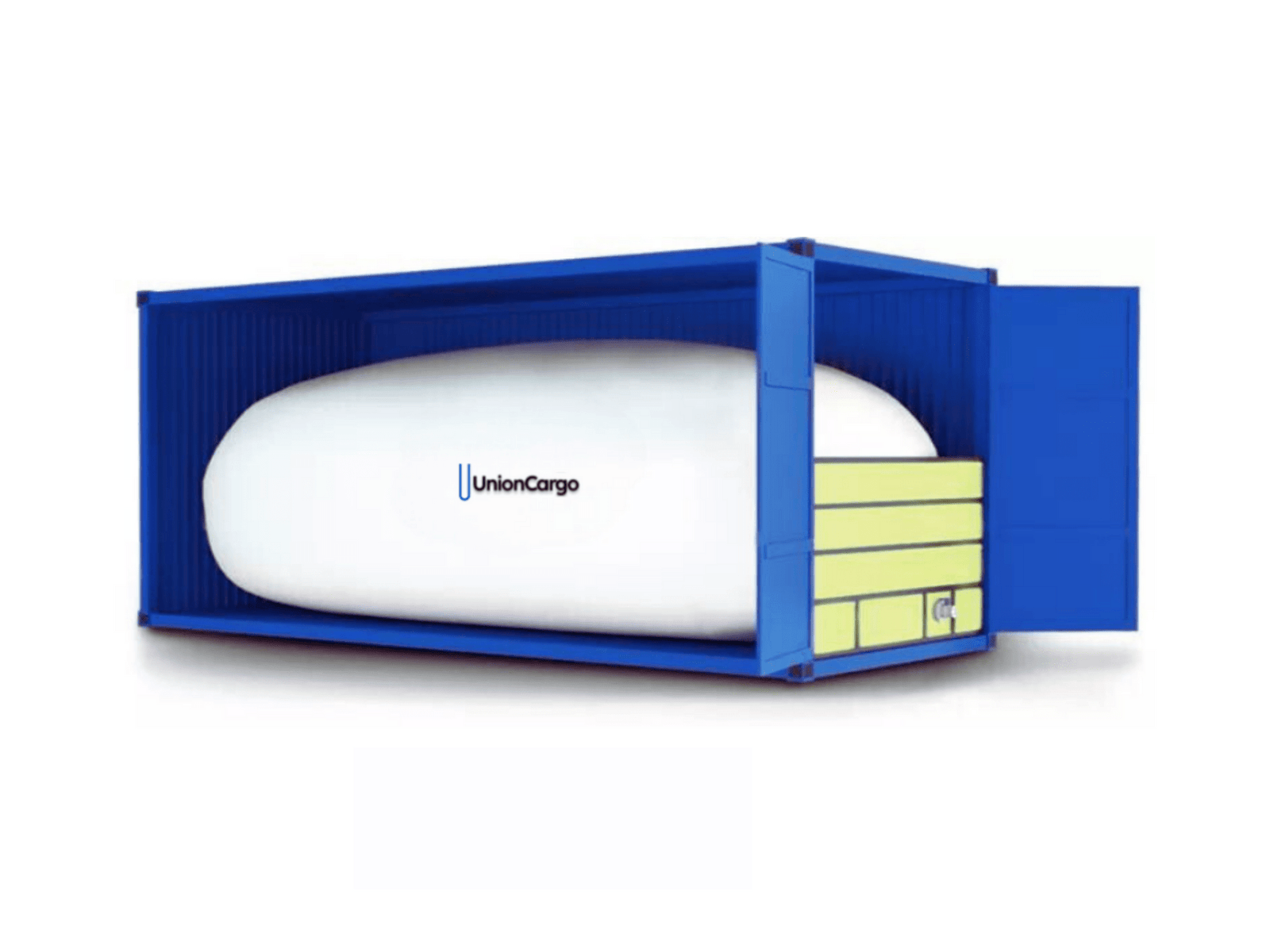
Flexitanks, as flexible transport vessels, bring with them both numerous benefits and challenges. Despite the increasing popularity of their use, there are a number of issues that can arise during use, installation and transportation. Below, we will discuss the main issues associated with flexitanks and how to deal with them.
Regulation and risk
One of the main problems with flexitanks is their poor regulation. The CTU Code (Code of Practice for Packing of Cargo Transport Units) mainly provides general practical advice, leaving many issues regarding flexitanks unexplained. It is worth noting that the code prohibits the use of flexitanks for the transport of dangerous goods. In addition, due to the multimodal nature of transport, a flexitank in a container must be able to withstand the various types of stresses that may occur during transport marine, road and rail.
Biggest challenges:
- Even the smallest production errors in the flexitank can lead to a complete loss of fluid.
- Even the smallest errors in the installation or filling process can potentially lead to damage.
- Using flexitanks is much more complex than the manufacturers present.
- Causation analysis in the case of complaints is difficult. In particular, it is difficult to distinguish between a defect caused by transport or an inadequate container and a defect inherent in the product ('inherent vice').
Environmental hazard:
Another negative aspect of single-use flexitanks that cannot be ignored is their poor environmental balance. Due to the multi-layered construction of the plastic films, these materials have to be disposed of on site in most cases, which is a burden on the environment.
Loss profile
Losses associated with flexitanks can result from ruptured plastic bags, damaged container walls and internal contents, flexitank leaks due to faulty valves or leaks in the material. Deformations of the container walls confirm that they can occur even during load tests carried out by flexitank manufacturers.
Sources of error
In addition to the questionable quality of flexitanks, there is also a problem with standard containers that have not been structurally designed for this type of loading. The use of flexitanks often permanently weakens the structure of containers, thus increasing the danger of damage to goods during subsequent transports. Furthermore, the cause of damage to flexitanks is difficult to determine conclusively, as it can be due to many different factors.
In summary, while flexitanks are an effective solution for many transport companies, there are a number of challenges and risks associated with their use. Complex organisational, structural and technical processes must be followed and good quality materials must be used. Only then can the safe and effective use of flexitanks in freight transport be counted on.
Source: HDI Risk Consulting report ( Technical information on the use of flexitanks in containers in multimodal transport )


Leave a Reply